BookDr. Jenkins

Bring back the love of learning your students arrived with.

Ninety-five percent of kindergartners love school. By grade nine, 37 percent do. Dr. Lee Jenkins shows teachers and leaders a simple structure that keeps that love alive and raises achievement at the same time.

average audience feedback scores, out of 10
9.23 & 8.96
the average gain in learning
5.9×
countries he has spoken in, and most U.S. states
12

A former teacher, principal and superintendent, and the author of 50 books.

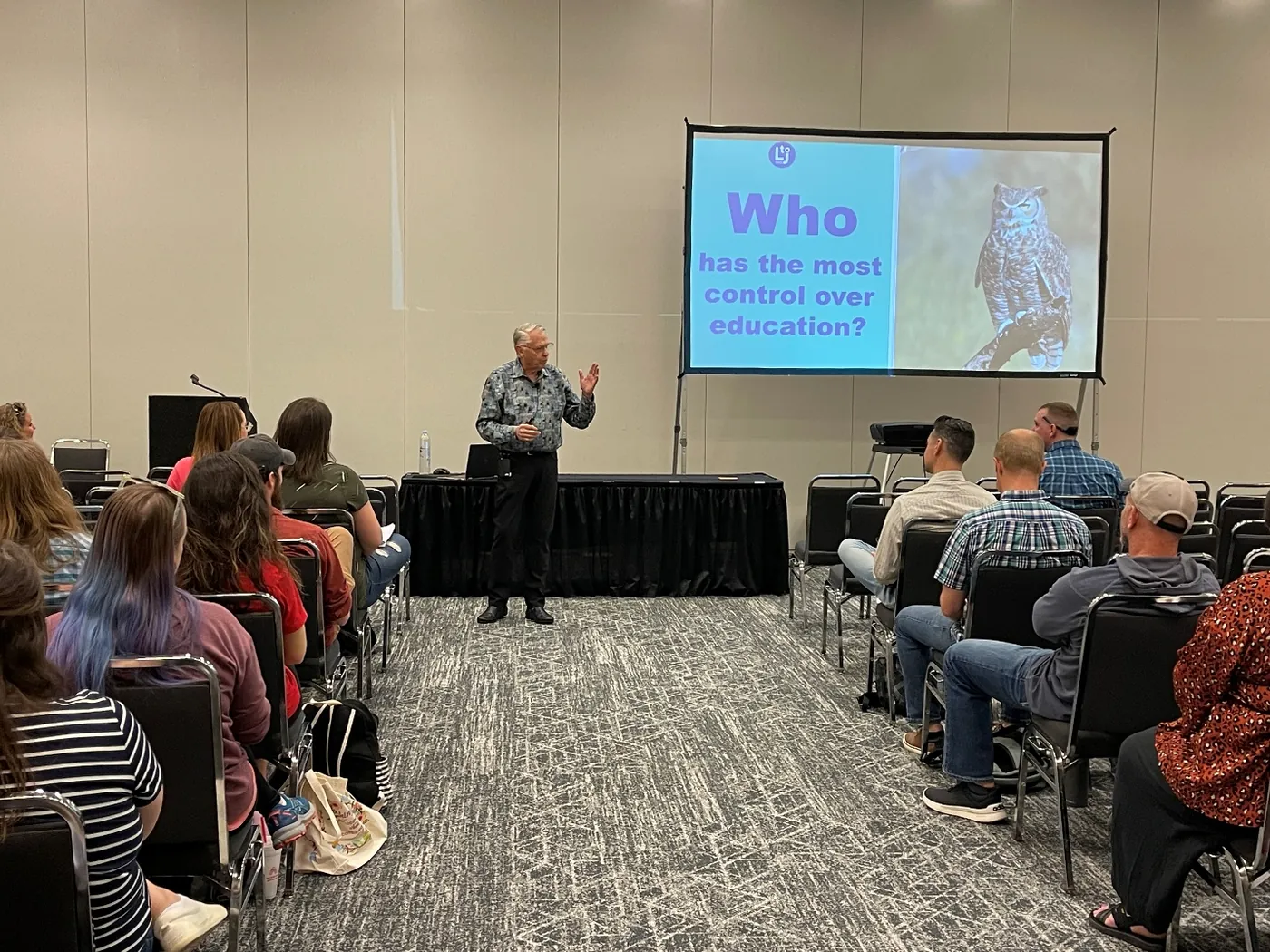
Dr. Jenkins speaking to a room of educators beside a slide asking “Who has the most control over education?”

In classrooms and districts like these

  • Paducah Independent School DistrictKY
  • Centura School DistrictNE
  • Marcola School DistrictOR
  • South Sioux CityNE
  • Issaquah School DistrictWA
  • Wilson Elementary, NormanOK
  • Massac Junior High, MetropolisIL
  • Linden Elementary, FremontNE
  • Columbus High SchoolNE
  • Graber Elementary, HutchinsonKS
  • Brookings High SchoolSD
  • Wilmer Amina Carter High School, RialtoCA
  • Educational Service Unit 7NE
  • Arizona School Administrators conference
  • Cecil County Public SchoolsMD
  • Happy Valley School DistrictCA
  • Paradise Valley School DistrictAZ
  • Department of EducationAZ
  • Department of EducationNE
  • Iredell-Statesville School DistrictNC
  • Greenville SchoolsSC
  • School AdministratorsWY
  • Wenatchee SchoolsWA
  • Rochester Area SchoolsMN
  • Lake Havasu SchoolsAZ

See him in front of a room

Lee, thank you for the call to wonder! I have been in education for 25 years and teachers and students have lost their wonder. So grateful for your inspiring work!
A keynote attendee, on the feedback form
Highlights from his keynotes, 2023.
A ten-minute presentation to event planners: a taste of his speaking style, passion and humor.

Students lose their love of learning a grade at a time.

Dr. Jenkins asked about 3,000 teachers at his seminars one question: what grade do you teach, and what percent of your students love school? When students were asked, the answers were the same.

It isn’t the teachers. The chapter-by-chapter design most schools still run on teaches students to cram, pass and forget, and slowly convinces many of them that school is not for them.

Loss of enthusiasm for school: 95% of kindergartners love school, falling to 37% by grade 9.0%25%50%75%100%K12345678910111295%37%45%
Percent of students who love school, by grade. About 3,000 K–12 teachers at Dr. Jenkins’ seminars were asked: “What grade level do you teach, and what percent of your students love school at your grade level?” Source: Lee Jenkins, Optimize Your School, Resource A.
GradeLove school
K95%
190%
282%
376%
474%
565%
655%
751%
848%
937%
1039%
1140%
1245%

Nearly six times the average gain in learning.

5.9×the average of 250 influences on learning studied by John Hattie

classrooms in the study
311
students
7,775
quizzes graphed by the students themselves
217,700

Beginning- and end-of-year data from each classroom gives an effect size. The average across classrooms was 2.35, about 5.9 times the 0.40 average of the influences Hattie compared. Source: Dr. Jenkins’ study of 311 classrooms, reported in “Education’s Trifecta”, Education Today, 2025.

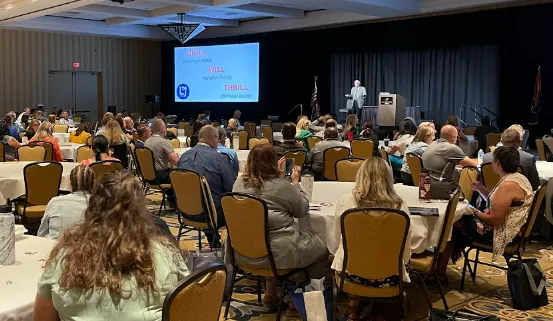
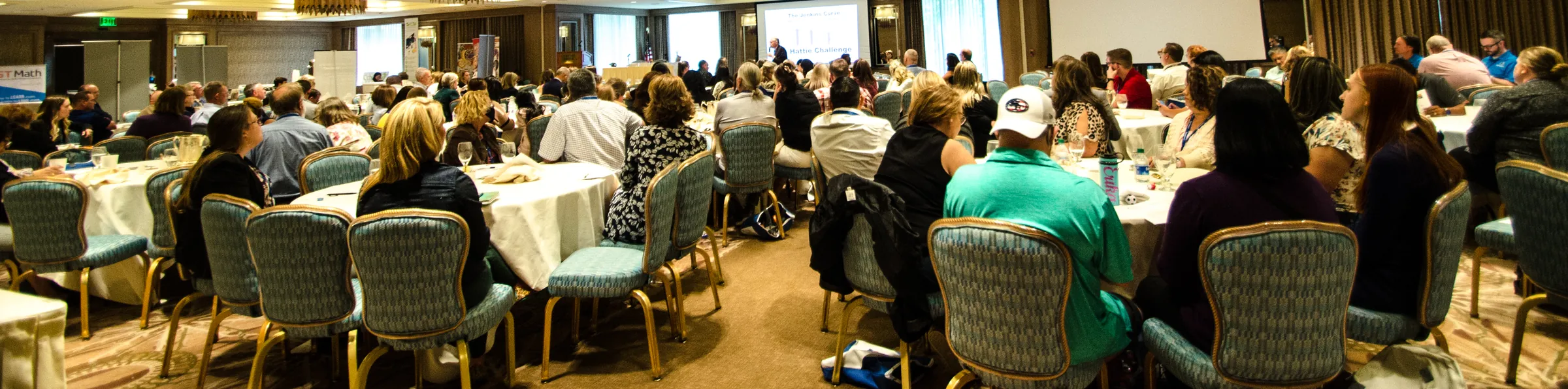
A full conference ballroom of educators seated at round tables, facing Dr. Jenkins at the front of the room.
9.23 and 8.96 out of 10Average audience feedback scores, on a scale of 1 to 10

Superintendents and principals who brought it home

As an administrator I just love going into classrooms and studying the learning as displayed on the classroom graphs. The kids can explain all the charts to me. They “get it.”
Julie Otero, Nebraska Department of Education; formerly Superintendent, Centura School District, Cairo, Nebraska
  • Not a month passes that every class throughout the district doesn’t celebrate at least one All-Time-Best.

    Will BlackAssistant Superintendent, Paducah Independent School District, Paducah, Kentucky

  • What Lee Jenkins teaches just plain makes sense. We educators are bombarded with so many suggestions and requirements that having a process that makes sense to students, parents and teachers is powerful.

    Chris CreliaPrincipal, Wilson Elementary School, Norman, Oklahoma

  • We are both amazed at how many questions students are answering correctly on the comprehensive exam for content that has not yet been taught.

    Laura HayesPrincipal, Massac Junior High School, Metropolis, Illinois

  • Lee’s process has the same level of engagement as many of the games that kids play.

    Bill WatkinsSuperintendent, Marcola School District, Marcola, Oregon

  • What Lee Jenkins teaches is evidence based, and with one process, manages to incorporate many effective teaching practices related to engagement, assessment for learning, and building a culture and community of learning in the classroom.

    Tracy Heilman Kennedy, Ph.D.Director of School Improvement, South Sioux City, Nebraska

  • A deep look into decades old education problems such as cram/forget, data used to discourage, and change without any evidence of improvement. THEN he provides solutions that are simple and profound.

    Jim Hawkins, Ph.D.Assistant Professor, Educational Leadership, Cameron University, Lawton, Oklahoma

Built for the people who lead schools

  • Superintendents and district leaders

    A keynote to open the year or launch a district initiative, then workshops so every school starts from the same design.

  • Principals and school teams

    A professional development day that ends with teachers ready to hand out key concepts, run the first random quiz and graph it.

  • Conference organizers

    A keynote with humor, hope and heart, plus breakouts that send attendees home with a process they can use on Monday.

It fits the work you’re already doing.

Is this another program to buy?

No. It’s a process, not a package. Teachers write their own key concepts and quizzes from your standards and curriculum, so it works with what you already teach.

One of the best aspects of LtoJ® [prior name for Learning That Lasts] is that it is a process and not a pre-packed program. This means teachers in PLC’s can adjust the questions and the key concept lists.

Angela WillnerdGrade 1 teacher, Linden Elementary School, Fremont, Nebraska
Will it fit our PLCs, assessments and evaluation model?

Teams that use it find PLC work, common formative assessment and evaluation frameworks such as Marzano’s are largely done already: clear year-long expectations, progress tracked weekly, learning celebrated.

Then along came common formative assessments. Done. We were already doing this with LtoJ® [prior name for Learning That Lasts].

Liliana VelascoSpanish teacher and department chair, Columbus High School, Columbus, Nebraska
Will my staff push back?

Paducah, Kentucky began with elementary math fluency, the easiest place to start, and let teachers see it work. Administrators have a clear role, and they share in the celebrations.

Zero pushback from any staff members.

Will BlackAssistant Superintendent, Paducah Independent School District, Paducah, Kentucky
Does it work in our grades and subjects?

It has been used from pre-kindergarten colors and shapes to 12th-grade government, Spanish, science and high school orchestra.

Lee’s process works with any grade level and any subject. Works even better if aligned across grade levels.

Barb FriesthStaff Developer (retired), Educational Service Unit 7, Columbus, Nebraska
What happens to test scores?

Students review earlier learning and preview what’s ahead every week, so they remember more and arrive at the final exam having already seen it all year.

Since incorporating this activity into my class, my final exam scores have increased and I feel that all students leave my classroom with a greater understanding, than ever before, of how the Government works.

Kelsey LovsethGrade 12 government teacher, Brookings High School, Brookings, South Dakota
Where will teachers find the time?

Less re-teaching and test prep. Because students remember, teachers win back time for deeper learning.

I spend about 1/3 less time on surface learning compared to traditional classrooms AND the kids remember the surface learning so much better.

Theresa CorcoranGrade 5 teacher, Graber Elementary School, Hutchinson, Kansas

A keynote to inspire. Workshops to make it stick.

Keynote: Learning That Lasts

What if the greatest constraint in American education isn’t a lack of funding, standards or effort, but a hidden flaw in how we measure and motivate learning? With humor, hope and heart, Dr. Jenkins takes audiences on a journey to uncover that constraint and replace it with a framework that reawakens the joy of learning every kindergartner carries.

Your audience leaves knowing

  • Why students lose their love of school a grade at a time, and the design flaw behind it
  • How a numbered list of key concepts and a weekly random quiz replace cram and forget
  • How to celebrate learning the way schools celebrate athletics, with every student counted
  • How to measure real growth in every classroom, every week, against Hattie’s 0.40
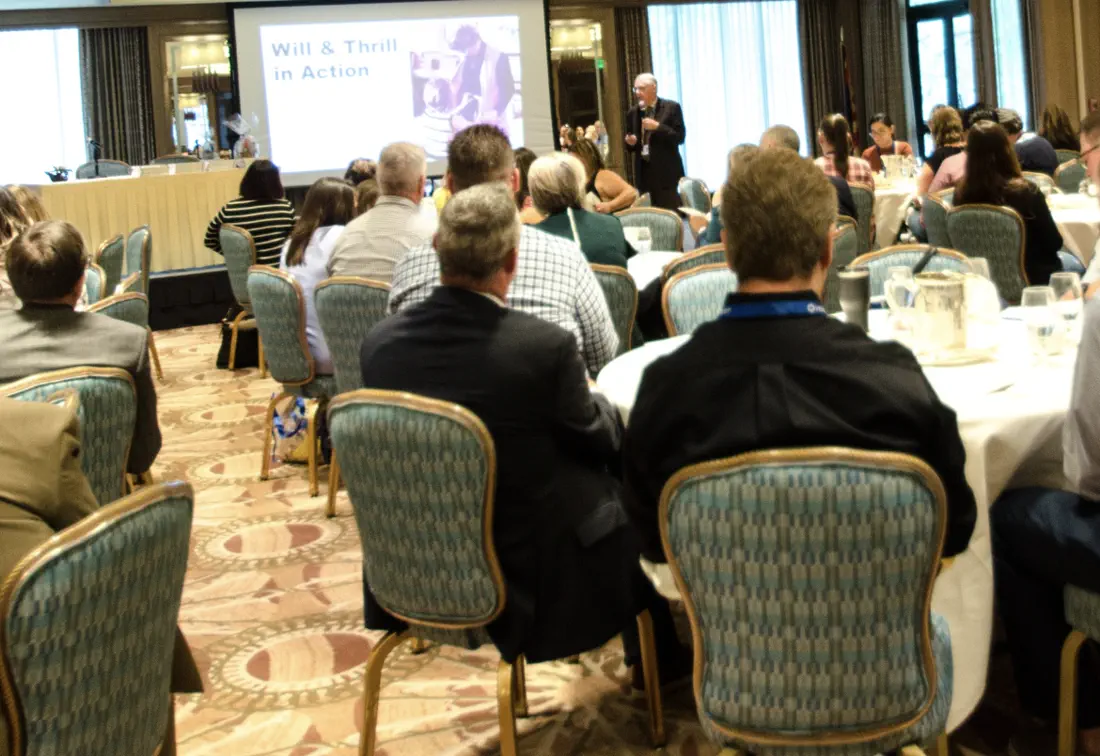
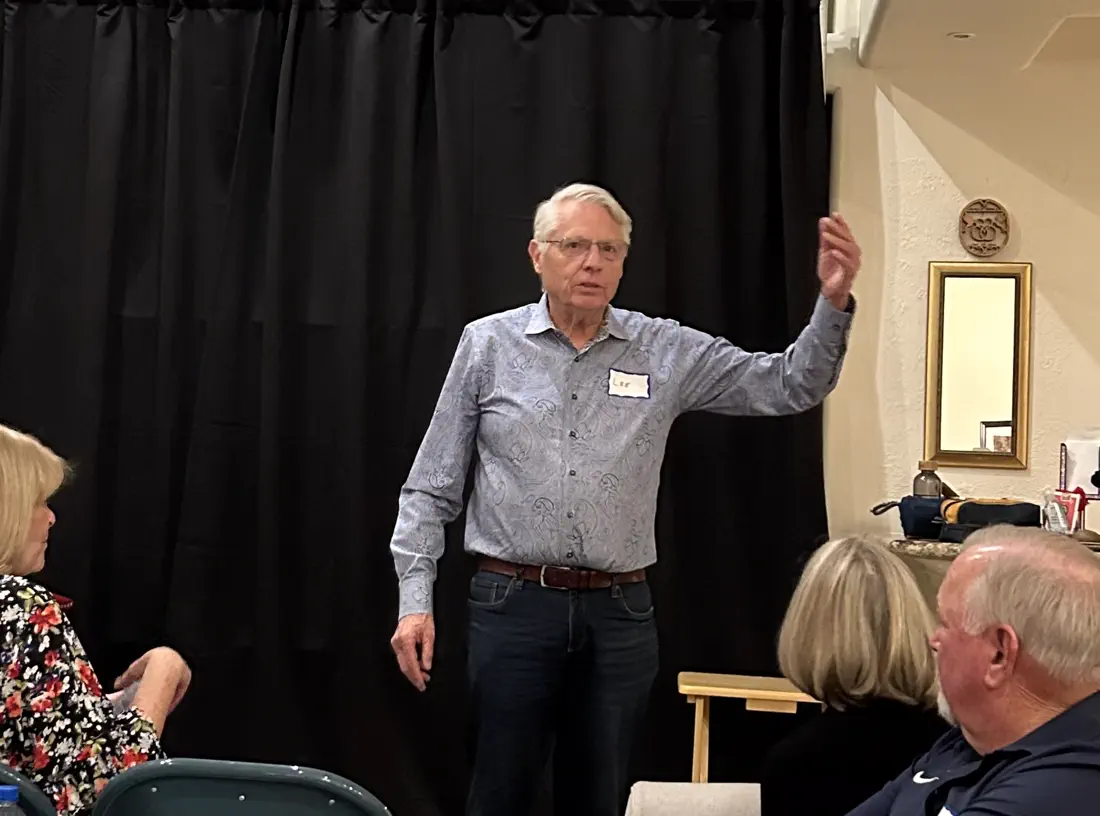
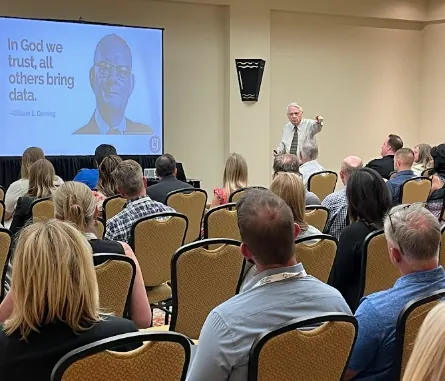
A hotel ballroom of educators watching Dr. Jenkins speak beside a slide titled Will and Thrill in Action.Dr. Jenkins on his feet in a small meeting room, name tag on his shirt, taking a question from the floor.Educators filling a hotel ballroom for one of Dr. Jenkins’ sessions.Dr. Jenkins presenting beside a slide of W. Edwards Deming: “In God we trust; all others bring data.”

Workshops and breakouts

  • Redesign the week

    Hands-on: re-design the weekly flow of classroom learning to include creativity, choice and simple student engagement processes that accelerate learning.

  • The Learning Trifecta

    The partner teaching sequence of wonder, resilience and mastery.

  • Early childhood

    The foundation for Learning That Lasts: writing becomes a favorite, number sense stays solid for years, with activities that partner with any reading program.

  • Grade 3 reading

    Ensuring students enter grade 3 knowing their K–2 sight words with fluency around 60 words a minute or higher, and alternatives when a phonics program isn’t working for a child.

Overviews to share with your team

Wouldn’t it be nice if…

  • …the kindergarten level of intrinsic motivation could be observed in middle and high school classrooms?
  • …the third of the school year now spent on review and test prep could be spent on deeper learning, because students actually remember?
  • …every classroom functioned as a team, celebrating its academic accomplishments?
  • …kids actually looked forward to the next quiz?
  • …the students struggling most had the same joy of accomplishment as everyone else?
  • …data was always used for joy, and never for harm and embarrassment?
  • …middle school teachers congratulated the elementary teachers on how well prepared their sixth graders were?

Guess what? All of these “what if’s” are alive and well in a number of locations. If these education dreams match your desires, let’s talk.

An education dream, by Lee Jenkins

Let’s talk about your district or event.

Tell Dr. Jenkins a little about your audience and dates. Your note goes straight to him.

  1. Dr. Jenkins reads your inquiry himself.
  2. He replies to talk through your audience, your goals and your dates.
  3. Together you choose the format: a keynote, workshops, a full professional development day, or a mix.

Prefer to reach him directly?

lee@learningthatlasts.com623-688-7669

Your details are used only to reply to your inquiry. They are never shared or added to a mailing list. Privacy