Drag the floor or use ← → to visit other rooms
Great schools develop people, not simply test scores.
Trustworthy, resilient, compassionate and responsible: taught on purpose, in every subject, with one shared language from kindergarten to grade 12.
Character is taught every day.
Tell the truth, keep promises, and acknowledge mistakes.
A best has to be real
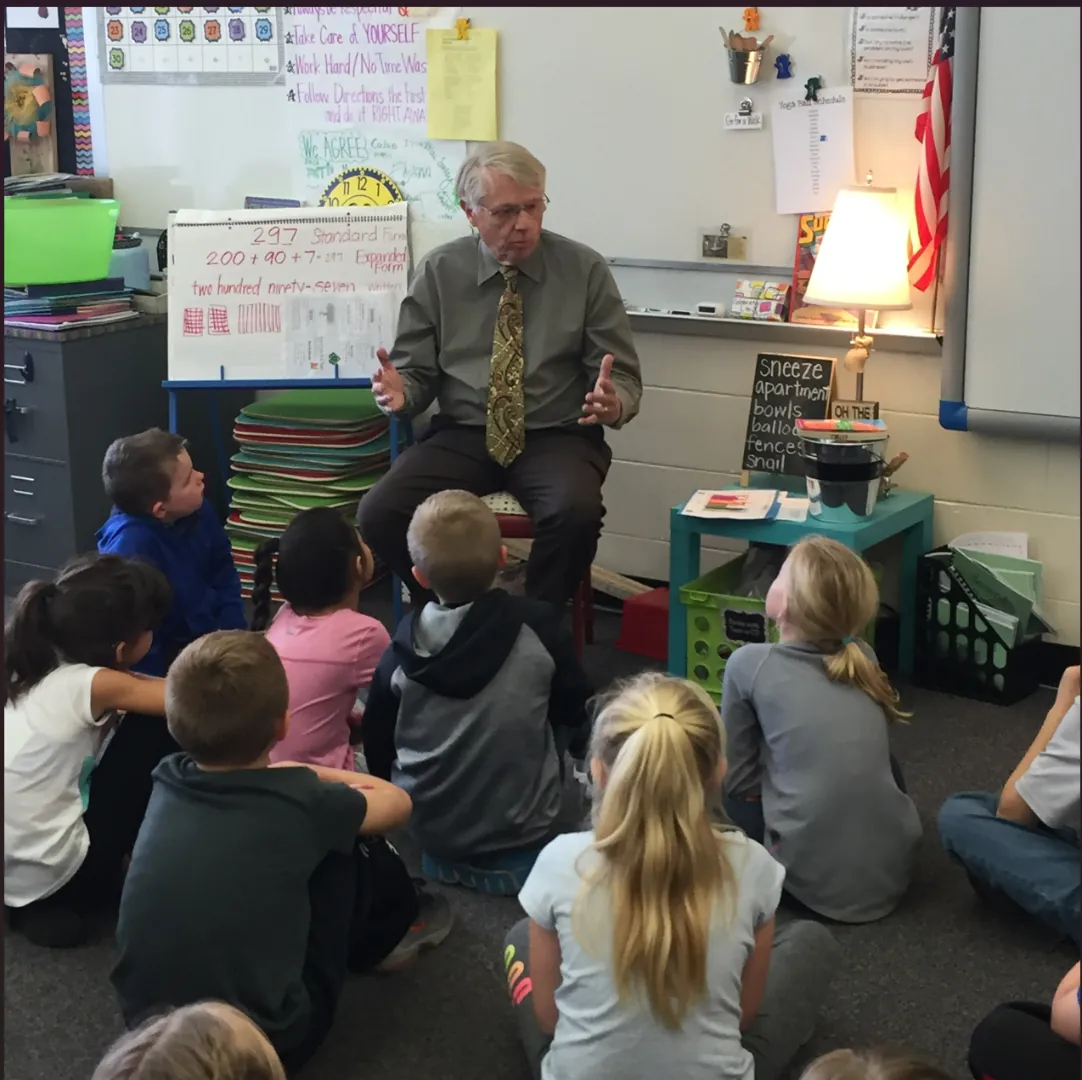
Early in the year, one fourth-grade class found a way to cheat on a quiz and posted a very high total. Their teacher stopped it, but the score stood, so the class couldn’t beat its own best. “We cheated, teacher, take away that score,” they begged. She wouldn’t. It took them until November to earn a real All-Time Best.
What it builds: Students learn that a record only means something if it’s honest.
Dr. Jenkins, Deming Institute podcast, Part 2
One shared language, kindergarten to grade 12
Parents have the central role in their children’s character. Schools support that work by making classrooms, hallways, playgrounds and cafeterias places where good character is practiced and seen every day. Adults model the traits; students practice them in more thoughtful ways as they grow.
Water for every floor
In Learning That Lasts: The Structure for Actual Intelligence, powerful pumps lift water to the top of a skyscraper, and gravity carries it to every floor below. Water has to reach every floor for the building to serve the people in it.
Character needs the same reach. A shared K–12 approach carries the four traits into every classroom and common space, so students meet the same expectations in new settings, year after year. An assembly or a lesson then has something to build on.
- 5incentives a day
- 180school days a year
- 13years, kindergarten to grade 12
- 11,700incentives in one student’s schooling
If incentives worked, there would be no Jenkins Curve
Bribery, politely called incentives, only manufactures the illusion of learning. Learning That Lasts™ replaces incentives with thank-you celebrations: simple, quick moments of fun when a student or a class does better than ever before, with nothing handed out.
Data is used for joy, never for harm. Bulletin boards that show who’s winning and who’s losing speed up the curve; parents expect every child to succeed. So the graphs on the wall belong to the whole class, and every student’s contribution counts.
Students have an emotional need to visually see they are getting smarter and a social need to know they contributed to the success of the team.
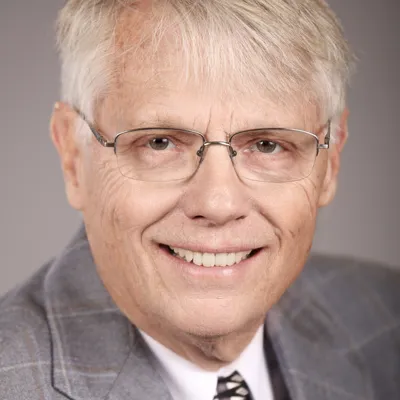 Dr. Lee Jenkins“Education’s Greatest Challenge”, Education Today, 2021
Find character inside the subject
A geography lesson can also be a lesson in compassion. Alexander von Humboldt, the German geographer and explorer, studied mountains, rivers, climates and plants. His travels through the Americas also brought him face to face with slavery, which he publicly opposed.
In 1856, when Humboldt was 86, a new American translation of his book about Cuba appeared. It kept the geography and economics but left out the chapter condemning slavery. Humboldt protested publicly: the missing chapter mattered more to him than all his astronomical observations, magnetic measurements and statistics. Travellers who witness suffering, he believed, have a duty to bring it to the attention of those who can help.
Start with what students already know
Begin with their observations
Students know what happens when character is missing:
- belongings disappear
- promises are broken
- classmates are ignored
- work is left for someone else
Ask the class
“What happens in our classroom when someone doesn’t keep a promise?”
“What changes when someone notices a classmate who needs help?”
Talk about behavior and its effects, never about naming classmates.
Track one improvement
Then ask what the class could do differently, and choose one shared improvement to track, such as:
- less litter
- less wasted food
Measure it fairly, protect everyone’s privacy, and celebrate a new class All-Time Best.
A compliment that names the trait
“Good job” becomes more useful when students understand what they did:
- “You were trustworthy when you told me about the mistake and helped correct it.”
- “You showed resilience when your first strategy didn’t work and you tried another.”
- “You showed compassion when you noticed a classmate struggling and quietly offered help.”
- “You were responsible when you finished your part so the group could move forward.”
Ask students how they like to be recognized. A quiet word, a note home or a compliment from the principal helps a student remember the action, and repeat it.
Children do not think like adults but feel like adults.
Dr. Lee Jenkins“Inspection and Learning”, learningthatlasts.com, 2026Recently, I asked my high school choir students to stand in a circle, look at their classmates, and consider the positive qualities they saw in one another. One student offered a sincere compliment to a classmate, who then complimented someone else, continuing around the circle. The atmosphere in the room changed. Students felt seen, heard, and valued, and that sense of belonging carried directly into our rehearsal.
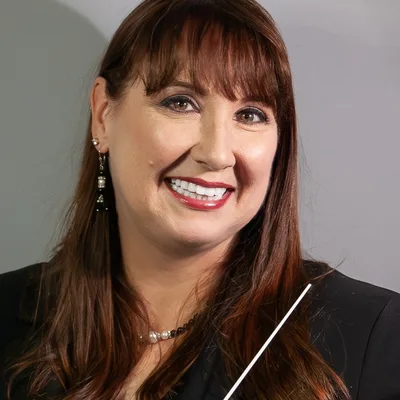 Susan BarnesOrchestra and vocal music, Wilmer Amina Carter High School, Rialto, California
Because of the LtoJ® process we don’t need external reinforcements; the celebrations are very motivating for teachers and students alike.
Tracy Heilman Kennedy, Ph.D.Director of School Improvement, South Sioux City, Nebraska
The growth mindset process Lee teaches is crucial for these traumatized kids.
Bill WatkinsSuperintendent, Marcola School District, Marcola, Oregon
Even the most struggling students experience great success.
 Codi HroudaGrade 5 teacher, South Sioux City, Nebraska
From the keynote
Dr. Jenkins, speaking to educators, on giving students a say in how the class runs.
Students tell the teacher what to keep and what to change.
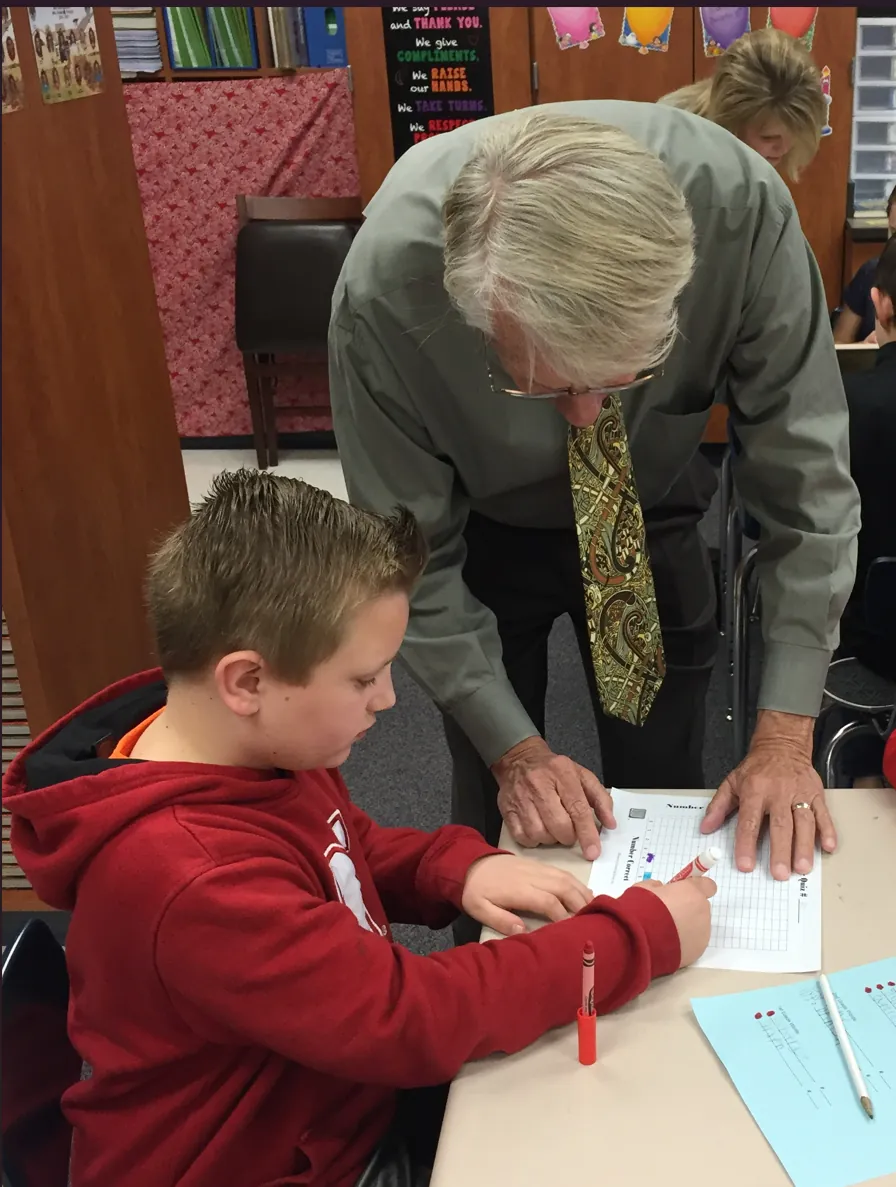
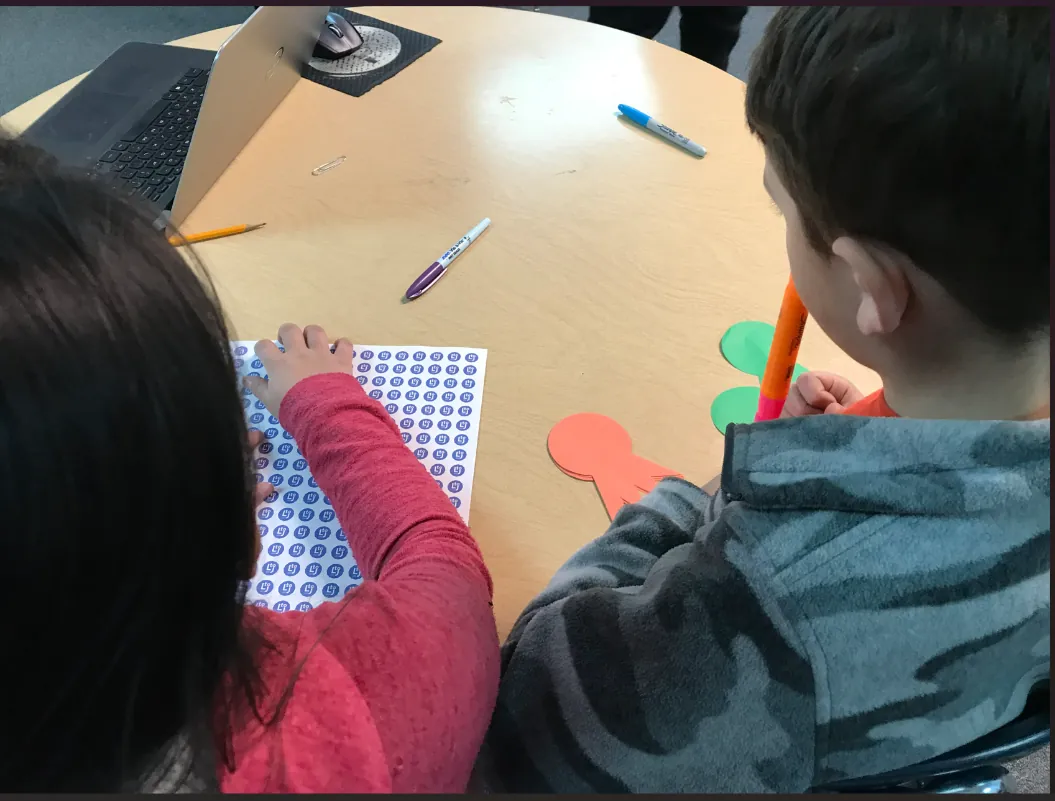
Better behavior, built into the learning itself.
Amazingly, the success with math fluency bleeds over into better student behavior.